Overview
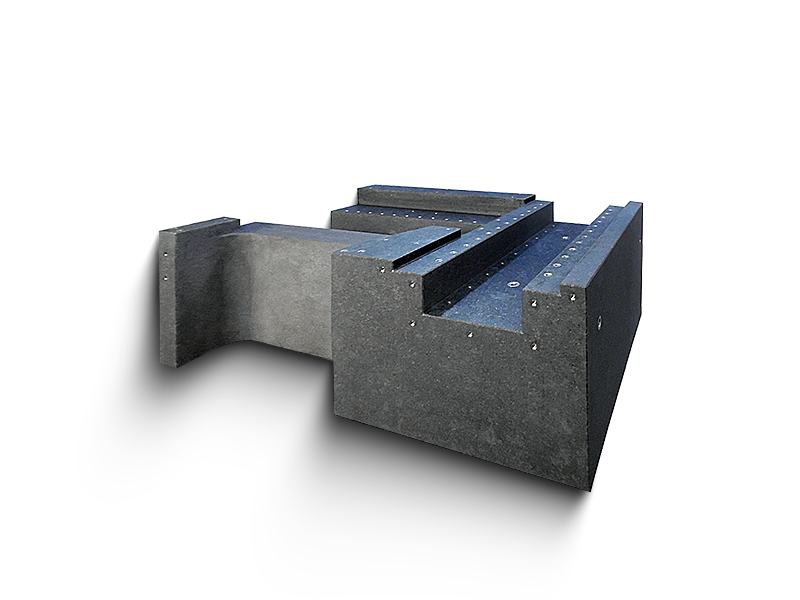
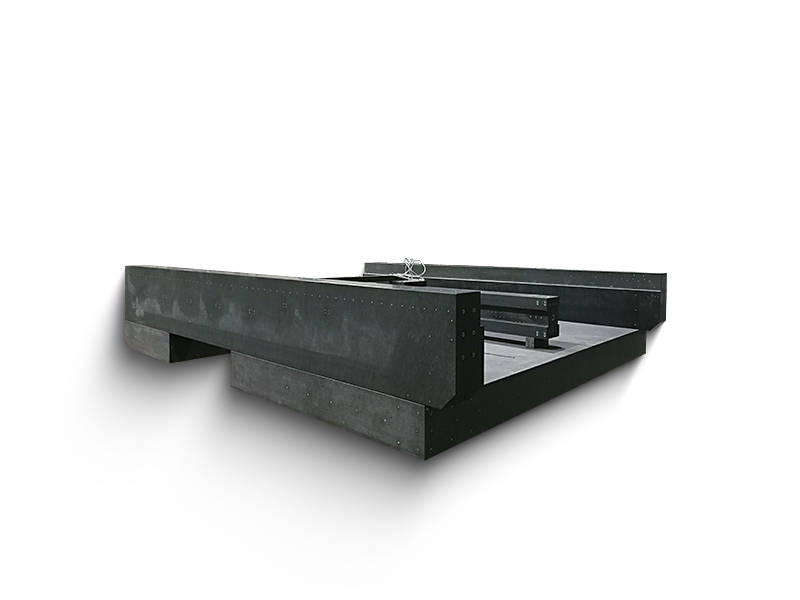
Cleaning stains from granite bed components is a relatively complex yet critical process, as it not only affects aesthetics but also impacts the functionality and overall performance of the granite. Below is a detailed cleaning guide to effectively remove various stains while preserving the integrity of the granite.
I. Pre-Cleaning Preparation
Before cleaning, gather the following tools and materials:
- Soft-bristled brush or sponge: For gentle scrubbing to avoid scratching the surface.
- Warm water: Acts as a mild solvent safe for granite.
- Neutral cleaner or granite-specific cleaner: Ensures no damage to the stone surface.
- Rubber gloves: Protects hands from cleaning agents.
- Clean towels or paper towels: For drying the surface post-cleaning.
- Razor blade (for paint or pigment stains): Safely removes thin layers of contaminants.
II. Stain-Specific Cleaning Methods
1. Paint and Pigment Stains
Paint or pigment spills may adhere to the surface or penetrate shallow layers. Steps:
- Scrape thin layers: Gently scrape off surface contaminants with a razor blade.
- Select cleaner: Choose a suitable cleaner based on experience or small-scale testing.
- Clean: Apply cleaner evenly, scrub gently with a brush, and allow it to dissolve the stain.
- Rinse: Thoroughly rinse with water to remove residue.
2. Daily Stains (Grease, Dust, Grime)
- Pre-treatment: Mix neutral cleaner with water and apply to the surface.
- Gentle wiping: Use a soft brush or sponge to clean all areas.
- For grease: Apply an alkaline or weakly alkaline surfactant-based cleaner, spread evenly, let sit for 10 minutes, scrub, then rinse.
3. Rust Stains
Rust stains result from external iron contamination or oxidation of internal iron compounds. Steps:
- Chemical oxidizer: Apply to rusted areas to dissolve stains.
- Rinse: Flush thoroughly with water.
- Waterproofing: Treat the area post-cleaning to prevent water-induced recontamination.
III. Specialized Stain Removal
Cement/Lime Stains (Carbonates/Silicates)
- Use eco-friendly acidic cleaners formulated with corrosion inhibitors, inorganic acids, and surfactants.
- Avoid harsh acids (e.g., oxalic, hydrochloric, or hydrofluoric acid) to prevent stone damage.
IV. Post-Cleaning Maintenance
- Rinse thoroughly: Ensure pH of rinsed water reaches 7–8 to eliminate residual cleaner.
- Dry surface: Wipe with clean towels or paper towels.
- Regular maintenance:
- Perform crystallization hardening treatments to enhance durability.
- Apply waterproofing and protective coatings to improve stain resistance.
- Prevent chemical exposure: Avoid direct contact with acidic or corrosive substances.
- Use protective pads: Place mats or pads on surfaces to reduce staining and scratching risks.
V. Precautions
- Test cleaners first: Conduct a spot test to evaluate effectiveness and dosage before full application.
- Avoid acidic cleaners: These may corrode the granite surface.
- Safety measures: Wear rubber gloves and follow safe handling practices.
- Seek professional guidance: If unfamiliar with the process, consult a specialist.
By following these methods and maintenance guidelines, you can effectively remove stains from granite bed components while preserving their aesthetic appeal and functional longevity.