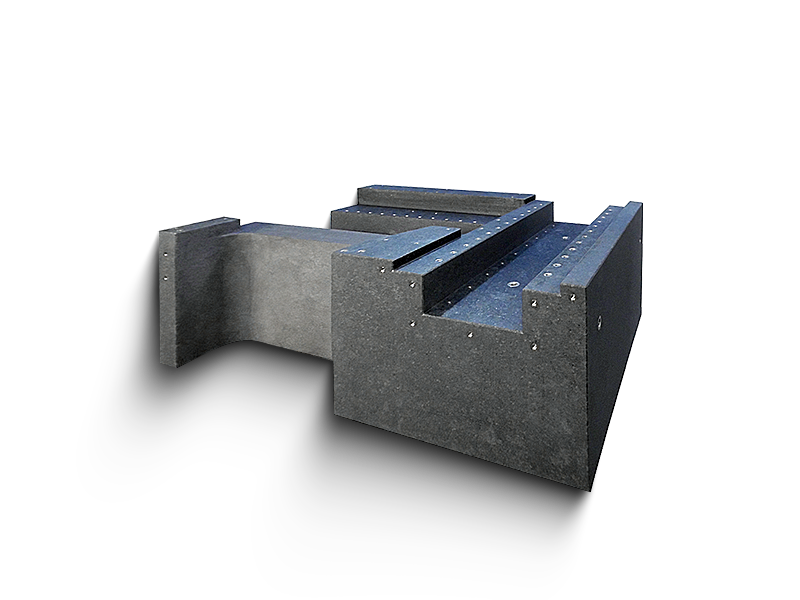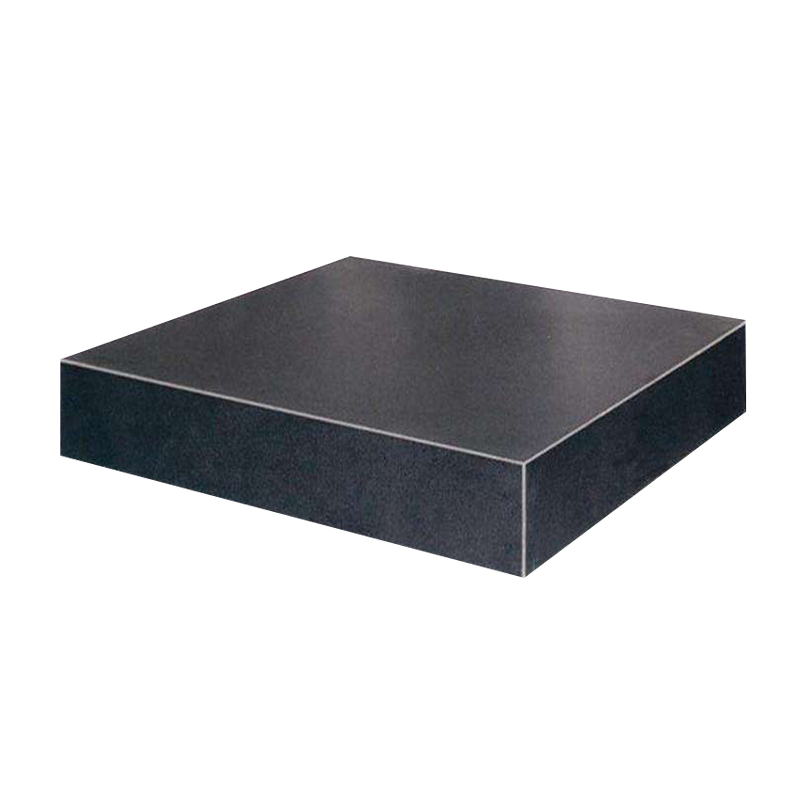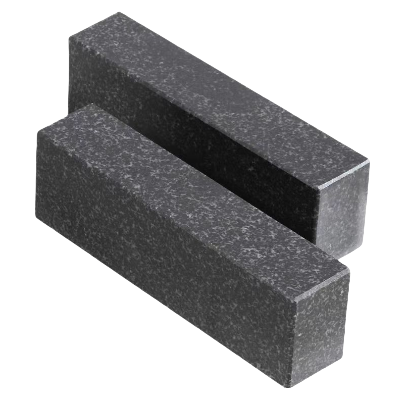
As critical supporting components in precision machinery, optical instruments, heavy-duty equipment, and various granite mechanical components (such as granite precision platforms and granite precision components), granite bases play a pivotal role in ensuring system stability and durability. Their performance directly impacts the accuracy and longevity of high-precision applications. Before shipping, a series of pretreatment measures are essential to ensure the granite base maintains optimal conditions during use. Among these steps, applying a protective oil layer is a vital procedure, not only for safeguarding the base but also for facilitating subsequent maintenance and operational efficiency. Below is an in-depth analysis of oil coating for granite bases prior to delivery.
I. Objectives of Oil Coating
- Anti-Rust and Corrosion Prevention
While granite itself is highly corrosion-resistant, metal accessories on the base (e.g., mounting holes, adjustment screws) are susceptible to environmental factors like moisture. Applying anti-rust oil isolates these metal parts from air and water, preventing corrosion and extending service life. - Lubrication and Friction Reduction
During installation or adjustment of granite precision platforms or components, the oil layer acts as a lubricant, minimizing friction for smoother alignment and positioning. It also protects the granite surface from scratches caused by mechanical contact. - Dust and Contamination Resistance
During long-distance transportation, dust and abrasive particles may adhere to the base, posing risks of surface damage during handling. The oil layer forms a protective film, reducing contamination and preserving cleanliness. - Surface Luster Enhancement
For granite precision components requiring aesthetic appeal, specialized maintenance oils enhance surface gloss, improving visual quality while preparing the base for future upkeep.
II. Selecting Appropriate Oils
The choice of oil is critical for effective protection. Key considerations include:
- Anti-Rust Performance: Prioritize oils with superior rust-inhibiting properties for metal parts.
- Material Compatibility: Ensure the oil is chemically inert to granite to avoid discoloration or degradation.
- Volatility: Opt for oils with moderate volatility to balance protective film formation and long-term stability.
- Cleanability: Select oils that leave minimal residue, simplifying post-installation cleaning.
Common options include light mineral oils, dedicated granite maintenance oils, and industrial-grade anti-rust oils.
III. Application Methods and Precautions
- Surface Cleaning
Thoroughly clean the granite base and metal parts using a soft cloth and pH-neutral detergent. Rinse with water and allow complete drying. - Uniform Coating
Use a soft brush or lint-free cloth to evenly apply oil across the granite surface, edges, and metal fittings. Avoid pooling or oversaturation. - Controlled Quantity
Apply a thin, consistent layer to prevent excess oil from interfering with precision surfaces (e.g., optical contact areas). - Drying Protocol
Allow the base to air-dry in a ventilated environment before packaging or transportation to ensure full oil curing.
IV. Post-Coating Maintenance and Guidelines
- Regular Inspection
Periodically check the oil layer’s integrity during use. Reapply if thinning or wear is observed. - Gentle Cleaning
Use mild cleaners and soft cloths for routine maintenance. Avoid harsh chemicals or abrasive tools that could damage the oil film or granite surface. - Storage Conditions
Store granite mechanical components in dry, temperature-controlled environments to maximize oil protection and prevent humidity-induced degradation.
Conclusion
Coating granite bases with oil before shipping is a simple yet critical step to enhance durability, aesthetics, and operational readiness. Whether for granite precision platforms, granite mechanical components, or other high-tolerance applications, proper oil selection, meticulous application, and consistent maintenance ensure long-term performance. By integrating these practices, manufacturers and users can optimize the reliability of granite-based systems in demanding industrial and scientific environment